

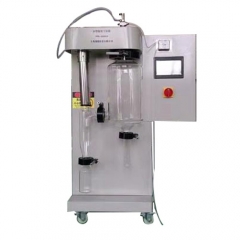
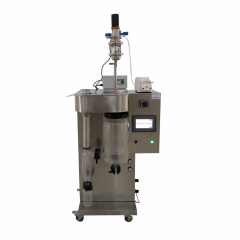
High quality 1.5L scale lab spray dryer equipment
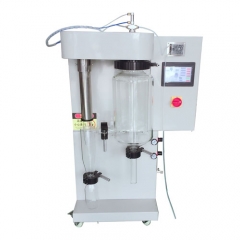
Lab scale spray dryer is suitable for the production of in universities, research institutes and food and pharmaceutical chemical enterprises.

Choosing the right hydraulic vulcanizing press is important for rubber manufacturers. The machine directly affects product quality, production efficiency, and operating costs. With different tonnages, platen sizes, and configurations available, how do you find the right machine for your production needs?
Here are five key factors to consider before making a decision.
Tonnage is one of the most important specifications of a hydraulic rubber vulcanizing press. It determines how much force the machine can apply during the molding process.Small rubber seals and gaskets may require a lower-tonnage machine, while larger or more complex products may need greater clamping force.
Common options include 50-ton, 100-ton, 200-ton, and 500-ton presses. The right capacity depends on the mold's projected area, rubber material, and required molding pressure.Avoid choosing a machine based on tonnage alone. The actual mold and production requirements should guide your decision.
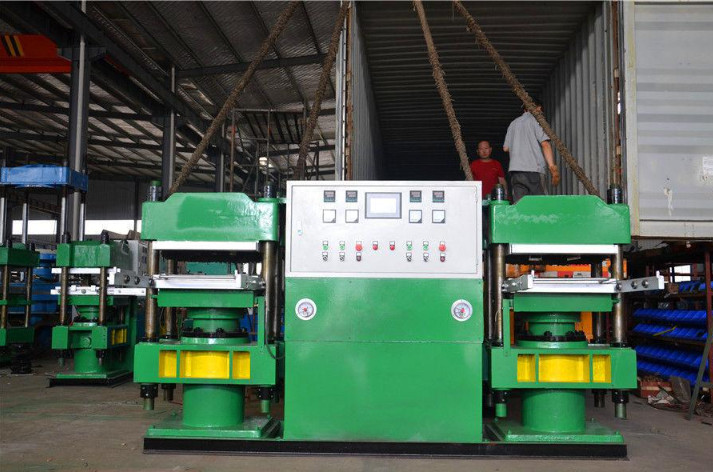
Alt text: Hydraulic Rubber Vulcanizing Press for Industrial Production
The heated platen is where the mold is placed during vulcanization. Its dimensions should be suitable for your mold.Before purchasing, check the mold's length and width, as well as the distance between platens and opening stroke. These specifications affect mold installation, product removal, and daily operation.A platen that is too small may limit production flexibility, while an unnecessarily large one can increase equipment costs.
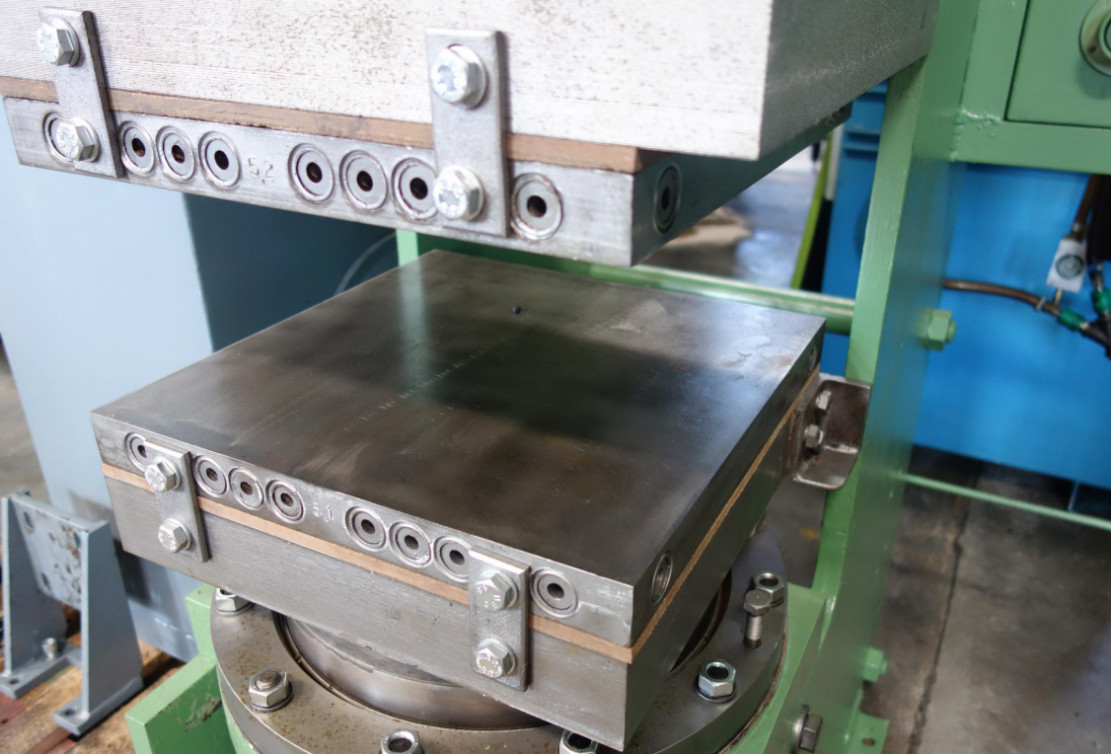
Alt text: Heated Platens of a Hydraulic Rubber Vulcanizing Press
Temperature is essential for consistent rubber vulcanization. Different rubber compounds may require different curing temperatures and times.When comparing machines, pay attention to the maximum operating temperature, heating method, temperature uniformity, and control accuracy.Stable heating helps ensure consistent curing and reduces the risk of defective products.
A single-layer rubber vulcanizing machine is often suitable for small-batch production, laboratory testing, and larger individual molds.A multi-layer press allows several molds or batches to be processed at the same time. It can improve productivity when manufacturing large quantities of smaller rubber products.
The best configuration depends on your product dimensions, production volume, and available factory space.
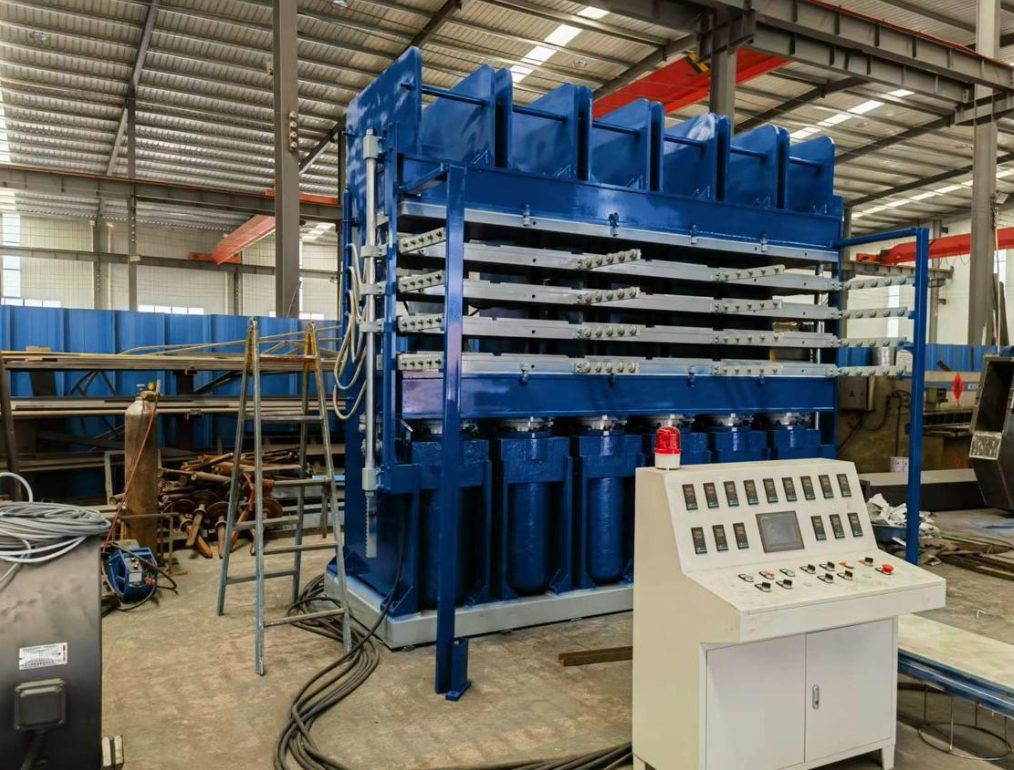
Alt text: Multi-Layer Hydraulic Vulcanizing Press for Rubber Production
Before contacting a supplier, prepare some basic information:
What type of rubber products will you manufacture?
What are your mold dimensions?
What clamping force do you need?
How many products do you plan to make per day?
Do you need a single-layer or multi-layer press?
Do you have special requirements for heating or machine dimensions?
Providing these details helps your supplier recommend a suitable machine configuration.
Choosing a hydraulic vulcanizing press is not simply about selecting the highest tonnage or the lowest price. It is about finding the right balance between clamping force, platen size, heating performance, and production capacity.
At OLLITAL, we provide hydraulic vulcanizing presses with different specifications and customized configurations for various rubber processing applications. Our team can help evaluate your mold dimensions, materials, and production goals to identify a suitable solution.
The best machine is one that fits your actual production process and delivers consistent results over time.



 Интернет Сервис
 +86 15960821529
 kevin@ollital.comkevinollital@gmail.com
 +86 15960821529
 +8615960821529


